
What the 2026 Met Gala “Costume Art” Theme Says About Body Image, Fashion, and Art
Every year, the Met Gala becomes more than a red carpet. It becomes a cultural conversation.
The 2026 Met Gala is centered around the Costume Institute’s spring exhibition, “Costume Art,” with the dress code “Fashion is Art.” According to The Metropolitan Museum of Art, the exhibition explores the relationship between clothing and the body by pairing garments with artworks from across The Met’s collection.
But this year’s theme is not only about beautiful dresses, famous guests, or dramatic red carpet moments. It asks a deeper question: how has art taught us to look at bodies, and how can fashion help us see them differently?
That is why “Costume Art” feels so relevant in 2026. It brings together fashion, art history, body image, identity, and the way society decides which bodies are considered beautiful, powerful, elegant, or worthy of attention.
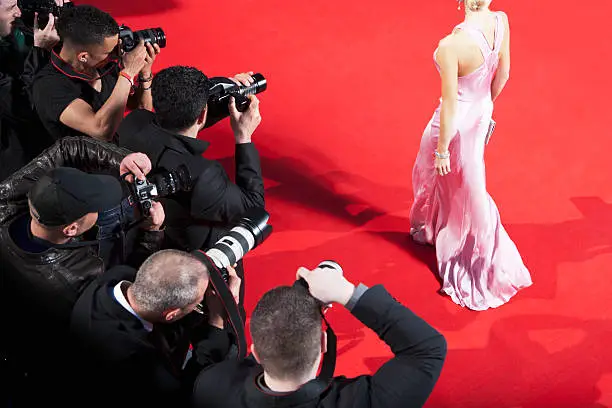
Fashion is not separate from art
For a long time, fashion was sometimes treated as less serious than painting, sculpture, or architecture. Clothes were seen as decorative, commercial, or temporary. But fashion has always been a form of visual storytelling.
A dress can say something about status.
A corset can say something about control.
A uniform can say something about power.
A silhouette can say something about beauty standards.
A fabric can say something about culture, class, or identity.
The 2026 Met Gala theme recognizes that clothing is not just something we wear. It is something that helps shape how the body is seen.
The Met says the exhibition focuses on the “dressed body,” showing how garments and artworks reveal the connection between clothing and the human form. That idea matters because fashion does not exist in a vacuum. It is always connected to the body, and the body is always connected to culture.
The body as a canvas
The dress code for the 2026 Met Gala is “Fashion is Art.” The Met describes it as an invitation for guests to express their relationship to fashion as an embodied art form.
That phrase — embodied art form — is important.
It means fashion is not only about the object itself. It is about how the object lives on a body. A dress changes when someone wears it. A sculpture does not walk, breathe, pose, or move through a crowd. But clothing does.
Fashion turns the body into a moving canvas.
This is why the Met Gala can be so fascinating. Some guests interpret the theme literally. Others use symbolism, shape, color, texture, history, or performance. The best Met Gala looks usually do more than look expensive. They tell a story.
With “Costume Art,” the most interesting looks are not necessarily the most glamorous. They are the ones that understand the theme: fashion as a conversation between clothing, body, art, and identity.
A theme about bodies that art history ignored
One of the most powerful parts of the 2026 exhibition is its focus on body types that have often been ignored or idealized in art history.
AP reported that the exhibition seeks to “reclaim” body types often overlooked in traditional art and fashion spaces, including pregnant, aging, disabled, and plus-sized bodies. The show includes more than 400 items and opens to the public on May 10, 2026.
That makes the theme much deeper than a fashion spectacle.
For centuries, art has helped create beauty standards. Museums are filled with bodies: goddesses, saints, queens, mothers, lovers, warriors, dancers, and muses. But not all bodies were represented equally. Some bodies were celebrated. Others were hidden, corrected, mocked, or erased.
The “ideal body” has changed across time, but the pressure to fit an ideal has never disappeared.
That is why this exhibition feels meaningful today. It does not only ask us to admire beauty. It asks us to question who was allowed to be called beautiful in the first place.
Fashion and body image
Body image is not only personal. It is cultural.
The way we see ourselves is shaped by images, clothes, trends, celebrities, advertising, social media, and art. When only one kind of body is shown as elegant, desirable, or fashionable, people begin to believe that beauty has very narrow rules.
Fashion can make this better or worse.
It can make people feel excluded. But it can also make people feel seen.
A garment designed for only one type of body sends one message. A fashion exhibition that includes aging bodies, pregnant bodies, disabled bodies, and bodies of different sizes sends another.
It says: the body is not a problem to solve.
The body is part of the story.
This is one reason the 2026 Met Gala theme fits perfectly into modern conversations about confidence and self-acceptance. People are tired of beauty standards that make them feel like they must disappear, shrink, or transform themselves to be accepted.
“Costume Art” suggests that every body has visual, emotional, and cultural meaning.
Why this theme feels feminist
The theme also has a strong feminist meaning, especially because women’s bodies have always been heavily controlled, judged, styled, and interpreted.
Women are often told what to wear, how to age, how much space to take up, how to look professional, how to look feminine, how to look desirable, and how to look “appropriate.”
Fashion can become a cage when it is only about pleasing others. But it can become power when it is used as self-expression.
That is why a theme like “Costume Art” matters. It gives space to think about clothing not only as beauty, but as agency.
A woman choosing what to wear is not always a shallow act. Sometimes it is a statement. Sometimes it is protection. Sometimes it is rebellion. Sometimes it is healing. Sometimes it is joy.
When fashion is treated as art, the person wearing it becomes more than an object to be judged. She becomes part of the meaning.
The Met Gala as pop culture and cultural criticism
Of course, the Met Gala is also a celebrity event. People watch for the famous faces, the dramatic gowns, the memes, the best-dressed lists, and the unexpected red carpet moments.
The 2026 Met Gala is taking place on Monday, May 4, 2026, and The Met’s official page says the livestream begins at 5:30 p.m. EDT. Vogue has reported that the co-chairs include Beyoncé, Nicole Kidman, Venus Williams, and Anna Wintour.
But the best Met Gala themes are never only about celebrity style. They make people talk about culture.
This year’s theme has the potential to create conversations about:
- who gets represented in fashion,
- how art shapes beauty standards,
- why body diversity matters,
- whether fashion belongs in museums,
- and how clothing can become a form of identity.
That is why “Costume Art” is not just a red carpet theme. It is a way to think about how we see ourselves and each other.
What viewers should look for
When watching the 2026 Met Gala looks, the most important question is not simply, “Is this outfit beautiful?”
Better questions are:
What artwork or period of art history does this reference?
How does the outfit shape or transform the body?
Does it challenge beauty standards or repeat them?
Is the body treated as a canvas, a sculpture, a symbol, or a performance?
Does the look tell a story beyond glamour?
Some outfits may be inspired by paintings. Others may reference sculpture, mythology, anatomy, historical dress, or abstract art. Some may focus on structure and silhouette. Others may use color, texture, or symbolism.
The most memorable interpretations will probably be the ones that understand the emotional heart of the theme: fashion is not separate from the body, and the body is not separate from art.
Why “Costume Art” matters
The 2026 Met Gala theme matters because it pushes us to look beyond the surface.
It reminds us that fashion is not only about trends. It is about how people are seen. It is about power, beauty, identity, gender, history, and self-expression.
It also reminds us that art history is not neutral. The bodies shown in museums have shaped what society calls beautiful, worthy, noble, feminine, masculine, elegant, or strange.
By pairing fashion with art, “Costume Art” asks us to reconsider the body itself as part of cultural history.
And maybe that is the most beautiful part of the theme.
It tells us that the body is not just something to dress, judge, edit, or compare.
The body is a story.
And fashion, at its best, helps us tell that story with more imagination, confidence, and freedom.
FAQ About the 2026 Met Gala “Costume Art” Theme
What is the 2026 Met Gala theme?
The 2026 Met Gala theme is “Costume Art.” It celebrates the Costume Institute’s spring exhibition at The Metropolitan Museum of Art.
What is the 2026 Met Gala dress code?
The official dress code is “Fashion is Art.” It invites guests to explore fashion as an artistic expression connected to the body.
What does “Costume Art” mean?
“Costume Art” explores the relationship between clothing, the human body, and art history. The exhibition pairs garments with artworks to show how fashion and art shape the way we see the body.
Why is the 2026 Met Gala theme important?
The theme is important because it highlights body image, representation, beauty standards, and the idea that fashion can be understood as a serious art form.