10 Strange and Beautiful Hidden Gem Books to Read

Sometimes every reading list starts to look the same.
A few books dominate social media, appear in every recommendation carousel, and quickly become the default answer to every reading mood. There is nothing wrong with popular books, and many of them deserve their audience. But when the same titles are repeated too often, reading culture can start to feel narrower than it really is.
Not every memorable book becomes a viral trend. Some books move more quietly. They build their power through atmosphere, structure, strangeness, emotional precision, or ideas that are difficult to summarize in a single sentence. These are the books that do not always fit neatly into a popular trope, but stay with the right reader because they offer something more unusual.
This list is for readers who want recommendations beyond the obvious. The books here are not necessarily unknown, and some have devoted audiences, but they share a certain quality: they feel distinctive. They create unusual worlds, strange emotional conditions, symbolic landscapes, or unsettling questions about memory, identity, loneliness, language, and reality.
If you are tired of reading lists that feel too predictable, these ten books offer a different kind of discovery — quieter, stranger, more literary, and more difficult to reduce to a trend.
Key Takeaways
Before choosing a book from this list, it helps to know what kind of reading experience you want.
Best for quiet literary dystopia: The Memory Police by Yōko Ogawa
Best for surreal world-building: Amatka by Karin Tidbeck
Best for philosophical mystery: The Invention of Morel by Adolfo Bioy Casares
Best for unconventional fantasy: The Slow Regard of Silent Things by Patrick Rothfuss
Best for secret-city atmosphere: The Other City by Michal Ajvaz
Best for emotional coming-of-age fantasy: Lonely Castle in the Mirror by Mizuki Tsujimura
Best for speculative grief and identity: The Seep by Chana Porter
Best for dark academic strangeness: Vita Nostra by Marina and Sergey Dyachenko
Best for immersive, cult-like fiction: The Gray House by Mariam Petrosyan
Best for dark fairy-tale logic: The Memory Theater by Karin Tidbeck
These are books for readers who want something more specific than “popular.” They are for readers interested in atmosphere, structure, ambiguity, and emotional complexity.
What Makes a Book Worth Discovering Beyond the Trend Cycle?
A hidden gem is not always an obscure book. Sometimes it is simply a book that does not move through reading culture in the usual way.
It may not have an easy selling point. It may resist quick summaries. It may belong to several genres at once, or to none of them completely. It may be too quiet for readers who want fast pacing, too strange for readers who want realism, or too literary for readers who expect every question to be answered clearly.
That does not make it difficult for the sake of difficulty. It makes it distinctive.
The books in this list share a few qualities. They create unusual worlds. They use atmosphere as part of the meaning. They explore memory, identity, loneliness, language, grief, or power in ways that feel slightly outside mainstream reading trends. Some are speculative, some are literary, some are darkly fantastical, and some are closer to philosophical puzzles than traditional novels.
What connects them is not genre. It is the feeling that the book has its own internal logic.
A trend often tells you what many people are reading at the same time. A hidden gem reminds you that reading can still feel personal.
Quiet, Eerie Books With Strange Worlds
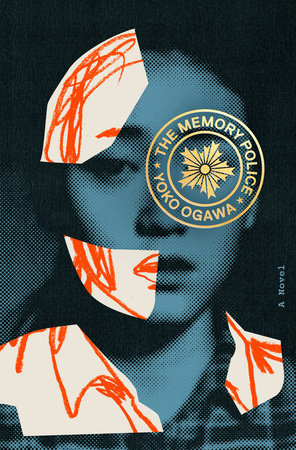
The Memory Police by Yōko Ogawa
Best for:
Readers who like quiet dystopian fiction, symbolic storytelling, and novels about memory, disappearance, and control.
Why it feels special:
The Memory Police is a dystopian novel, but it does not rely on spectacle. Its power comes from restraint. On an unnamed island, things disappear: objects, concepts, parts of ordinary life. After each disappearance, most people forget that the lost thing ever existed.
The premise is simple, but the emotional and political meaning is layered. The novel asks what happens when memory is not only fragile, but actively managed. It is about authoritarian control, but also about the private sadness of losing the language for your own past.
What makes the book unusual is its tone. It is not frantic. It is quiet, controlled, and almost delicate. That calmness makes the story more disturbing. The world does not collapse all at once. It is reduced piece by piece.
The mood:
Quiet, restrained, eerie, melancholic, philosophical.
Read it if you want:
A literary dystopia that explores memory, loss, and identity without relying on action-heavy storytelling.
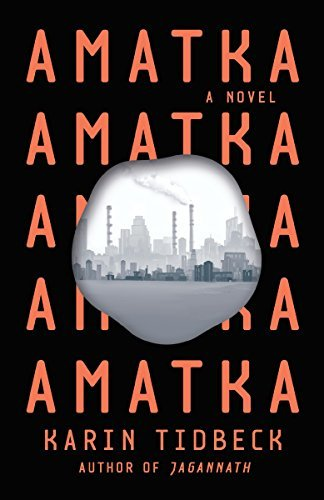
Amatka by Karin Tidbeck
Best for:
Readers interested in surreal dystopia, language, social control, and speculative fiction with a precise, unsettling atmosphere.
Why it feels special:
Amatka is built around one of the most interesting ideas in speculative fiction: language does not simply describe reality; it helps maintain it.
The novel takes place in a controlled colony where objects must be named correctly and repeatedly. If language fails, reality itself becomes unstable. This gives the book a quiet but persistent tension. Ordinary things begin to feel uncertain. A suitcase, a label, a mushroom, a name — everything carries weight.
The novel’s strangeness is not decorative. It is conceptual. It uses an unusual world to ask serious questions about conformity, language, truth, and the pressure to live inside systems that define reality for you.
The mood:
Cold, controlled, surreal, intellectual, quietly threatening.
Read it if you want:
A short, strange dystopia about language, obedience, and the instability of reality.
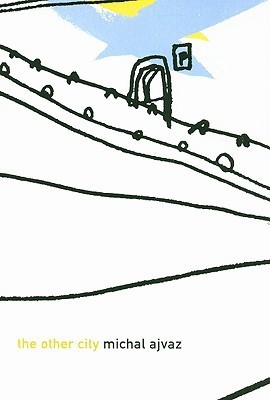
The Other City by Michal Ajvaz
Best for:
Readers who enjoy secret cities, literary fantasy, philosophical wandering, and books that treat place as a mystery.
Why it feels special:
The Other City imagines another version of Prague existing alongside the visible one. This hidden city is not simply a fantasy setting; it is a way of thinking about perception. The novel suggests that ordinary life may be full of structures, meanings, and realities we fail to notice because we have been trained to see only what is useful.
This is not a book to read for a conventional plot. Its pleasure is in movement, discovery, and intellectual strangeness. It treats the city as a layered text, where streets, libraries, objects, and encounters become part of a larger metaphysical puzzle.
For readers who like fiction that feels exploratory rather than linear, this book offers something rare: a city that seems to think back.
The mood:
Labyrinthine, curious, surreal, philosophical, urban.
Read it if you want:
A literary fantasy about hidden realities inside familiar places.
Emotional and Wounded-Character Stories
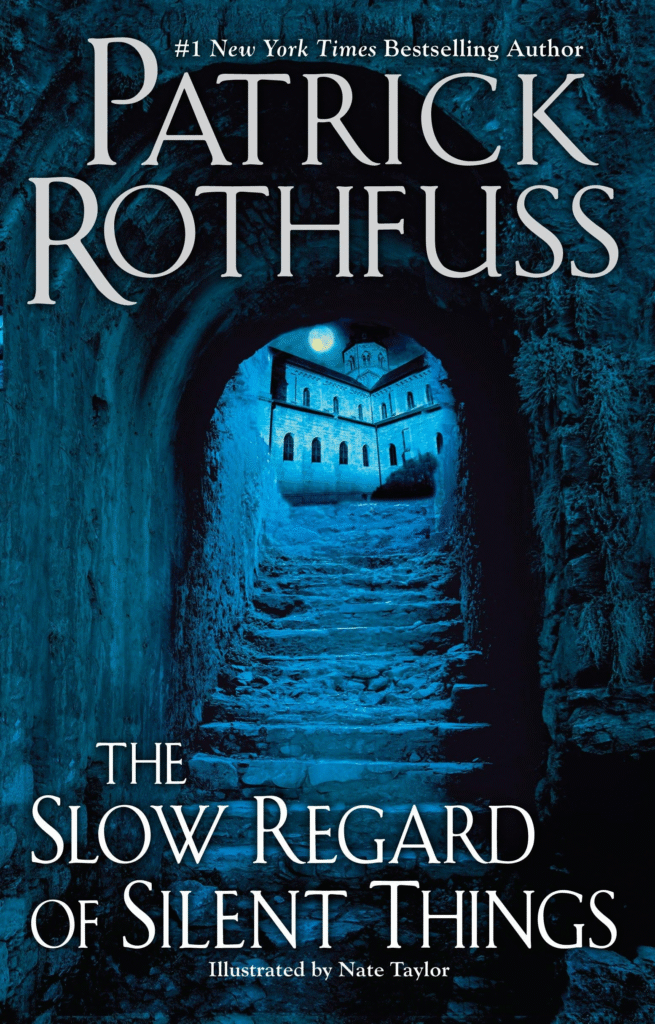
The Slow Regard of Silent Things by Patrick Rothfuss
Best for:
Readers who appreciate unconventional fantasy, interiority, solitude, and delicate character studies.
Why it feels special:
This is one of the most unusual books connected to a popular fantasy world because it refuses many of the expectations of fantasy itself. It does not focus on battles, politics, quests, or dramatic revelations. Instead, it follows Auri through the Underthing, a hidden network of spaces beneath the University.
The book is about attention. Auri notices objects, rooms, textures, arrangements, and small acts of order. Her world is private, ritualistic, and emotionally fragile. For some readers, this will feel too quiet. For the right reader, that quietness is exactly the point.
What makes the book memorable is that it treats a wounded inner life with seriousness. It does not explain Auri too much or turn her into a problem to be solved. It lets the reader sit with her way of seeing.
The mood:
Fragile, solitary, intimate, strange, tender.
Read it if you want:
A poetic and unconventional fantasy about solitude, order, and a character with a deeply private emotional world.
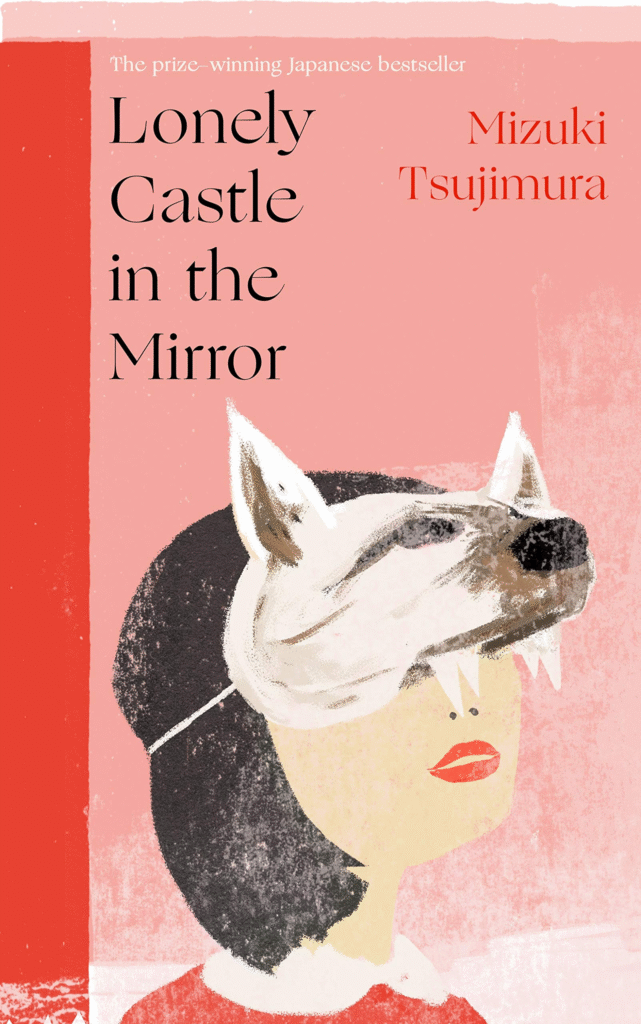
Lonely Castle in the Mirror by Mizuki Tsujimura
Best for:
Readers who want a gentle but meaningful story about loneliness, adolescence, emotional safety, and connection.
Why it feels special:
Lonely Castle in the Mirror uses a fantasy premise to explore a very real emotional condition: the isolation of young people who feel unable to exist comfortably in the ordinary world.
The novel follows students who enter a mysterious castle through mirrors. The setup has the structure of a puzzle, but the emotional center is not the mystery itself. It is the gradual recognition between people who have been hurt, misunderstood, or pushed outside normal social expectations.
The book works because it understands that loneliness is not always solved by dramatic rescue. Sometimes healing begins with a space where someone can be present without being forced to explain everything immediately.
The mood:
Gentle, wounded, reflective, magical, hopeful.
Read it if you want:
A tender speculative novel about loneliness, bullying, friendship, and emotional recovery.
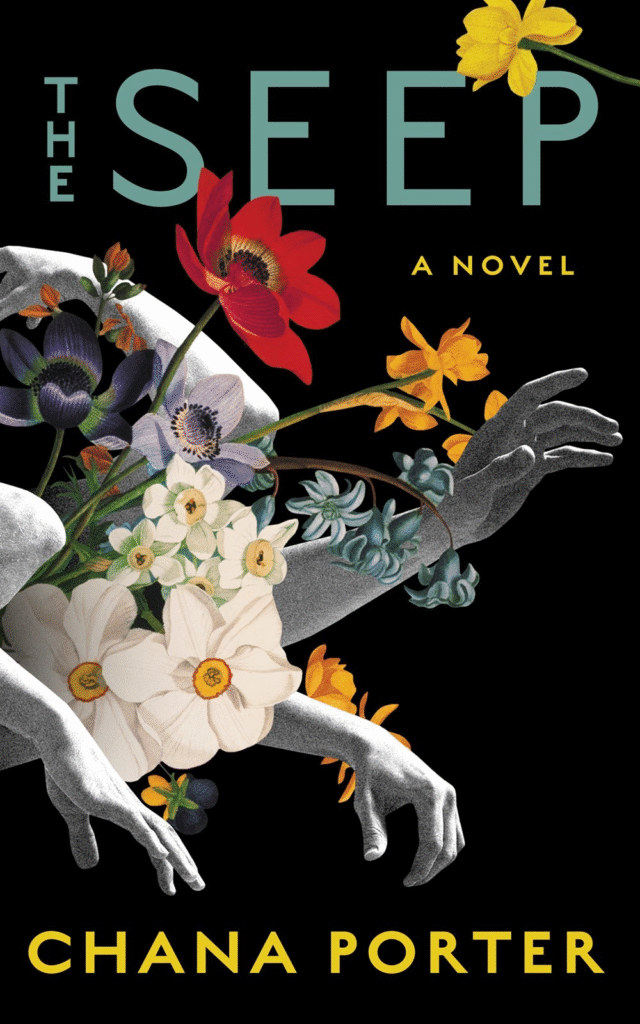
The Seep by Chana Porter
Best for:
Readers interested in speculative fiction about grief, identity, utopia, transformation, and emotional dislocation.
Why it feels special:
The Seep begins with an unusual premise: an alien presence changes the world, but not through violent invasion. Instead, it creates a kind of radical connectedness and transformation. On the surface, this could sound utopian. But the novel is more complicated than that.
Its emotional center is grief. The book asks what happens when the world changes in ways that may be beautiful, liberating, or even miraculous, while personal loss remains unresolved. It is interested in the gap between collective transformation and private pain.
That is what makes it distinctive. It does not treat utopia as a simple answer. It understands that even a changed world cannot erase longing, memory, or the difficulty of being a self.
The mood:
Speculative, grieving, strange, tender, disorienting.
Read it if you want:
A short, thoughtful novel about love, loss, identity, and the emotional limits of utopia.
Darker, Stranger, More Mind-Bending Books
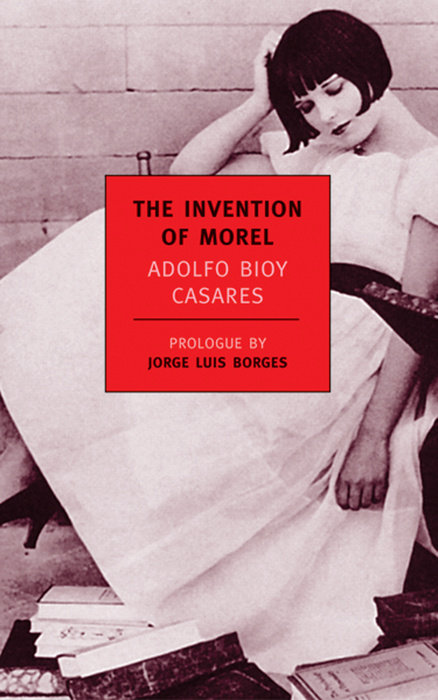
The Invention of Morel by Adolfo Bioy Casares
Best for:
Readers who enjoy philosophical mysteries, classic speculative fiction, obsession, islands, and questions about image and reality.
Why it feels special:
The Invention of Morel is a short novel, but it has the density of a much larger work. It begins with a fugitive on a mysterious island and develops into a story about perception, desire, technology, and the strange wish to preserve life beyond life.
The book feels special because it is both precise and haunting. It does not need excess to create unease. Its mystery is carefully constructed, but beneath that structure is a deeply human question: is being preserved the same as being alive? And can love exist when it is directed toward an image, a repetition, or an unreachable version of a person?
It is an elegant book for readers who like their speculative fiction with philosophical weight.
The mood:
Elegant, mysterious, obsessive, philosophical, isolated.
Read it if you want:
A short classic that combines mystery, metaphysics, romance, and existential unease.
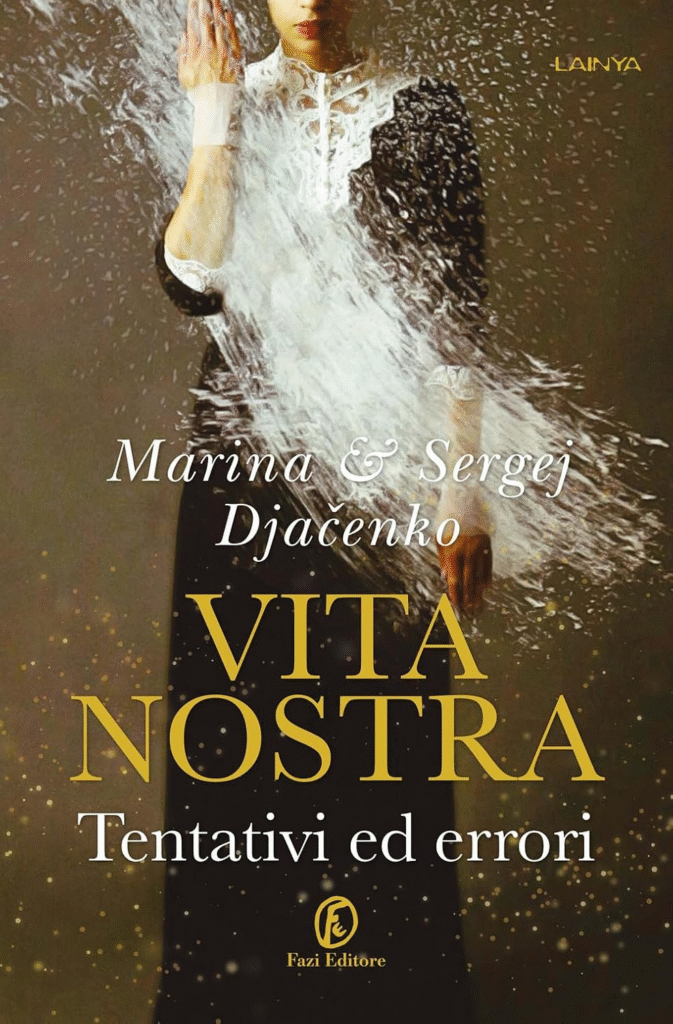
Vita Nostra by Marina and Sergey Dyachenko
Best for:
Readers who want dark academia without comfort, and fantasy that feels psychologically and intellectually demanding.
Why it feels special:
Vita Nostra is often described as dark academia, but it is much stranger and more unsettling than many books associated with that label. Its school setting is not glamorous or cozy. It is oppressive, confusing, and transformative in ways the characters cannot easily understand.
The novel follows Sasha as she is drawn into an institution where learning is not simply academic. Knowledge changes the self. Education becomes a form of pressure, even violation. The book treats transformation not as empowerment in the simple sense, but as something frightening, irreversible, and difficult to explain.
This is what makes the novel stand apart. It understands that knowledge can be dangerous not because it reveals facts, but because it alters the person who receives it.
The mood:
Dark, intense, cerebral, oppressive, uncanny.
Read it if you want:
A strange, mind-bending academic novel where learning feels like a threat to ordinary identity.
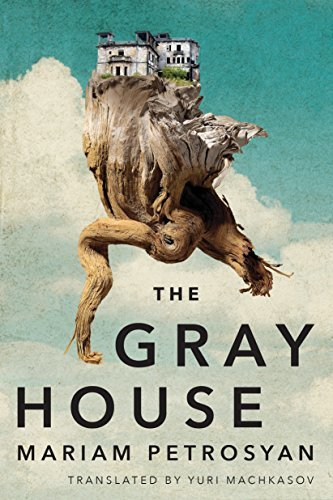
The Gray House by Mariam Petrosyan
Best for:
Readers who want a large, immersive, unconventional novel with its own social order, mythology, and internal language.
Why it feels special:
The Gray House is not a book that can be neatly explained in a few sentences. That is part of its identity. It is set in a boarding school for disabled children and teenagers, but the House is far more than a setting. It is a society, a mythology, a closed world, and almost a character in itself.
The novel has multiple voices, strange rules, factions, histories, and a sense that reality inside the House does not operate exactly like reality outside it. It requires patience. It asks the reader to enter its system rather than stand outside and demand quick clarity.
For the right reader, that immersion is the reward. The Gray House feels less like a story you consume and more like a world you slowly learn how to inhabit.
The mood:
Dense, immersive, strange, communal, darkly imaginative.
Read it if you want:
A cult-feeling novel with unusual structure, complex characters, and a world that resists easy explanation.
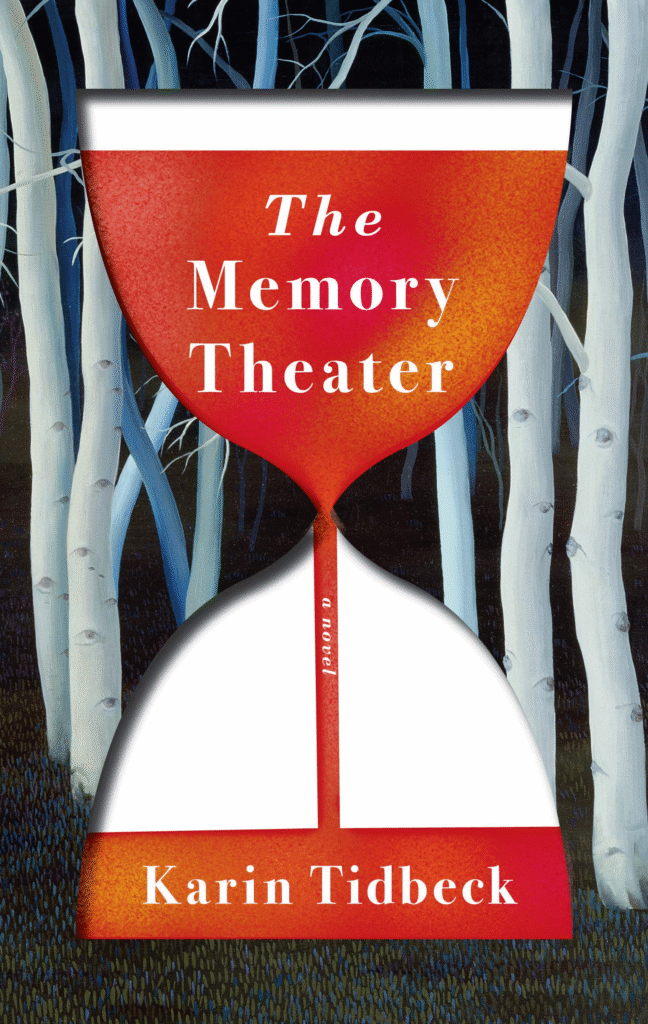
The Memory Theater by Karin Tidbeck
Best for:
Readers who like dark fairy tales, theatrical fantasy, time, identity, and magical worlds with moral danger.
Why it feels special:
The Memory Theater has the structure and imagery of a fairy tale, but its emotional logic is sharper than simple enchantment. It moves through strange realms, performance, power, and escape, while asking what happens to people who are forced into roles created by others.
The book is concerned with time and identity, but also with hierarchy. Who gets to remain unchanged? Who is made to serve? Who is allowed to leave? Its magical world is beautiful, but not innocent.
That tension gives the novel its force. It does not use fantasy to soften reality. It uses fantasy to make control, exploitation, friendship, and self-preservation easier to see.
The mood:
Darkly magical, theatrical, sharp, elegant, unsettling.
Read it if you want:
A compact fantasy with fairy-tale elements, moral tension, and a strong sense of atmosphere.
Which Book Should You Start With?
The best starting point depends on what kind of unusual reading experience you want.
If you want something literary, quiet, and emotionally haunting, start with The Memory Police. It is strange without being inaccessible, and it has a clear emotional and political center.
If you want a book that feels conceptually unusual, choose Amatka. It is especially good for readers interested in language, systems, and the relationship between words and reality.
If you want a short classic with philosophical depth, choose The Invention of Morel. It is brief, elegant, and ideal for readers who like mysteries with larger existential questions behind them.
If you want something tender and unconventional, choose The Slow Regard of Silent Things. It is best for readers who do not need a traditional plot and are willing to enter a very private inner world.
If you want emotional fantasy with a gentle structure, choose Lonely Castle in the Mirror. It is accessible, moving, and grounded in real feelings of isolation and connection.
If you want something darker and more intellectually disorienting, choose Vita Nostra. It is probably the most intense book on this list.
If you want a large and immersive reading experience, choose The Gray House. It is demanding, but memorable for readers who enjoy complex fictional communities.
For most readers, the safest first choice is The Memory Police.
For readers who want the strangest experience, start with Amatka or Vita Nostra.
For readers who want something emotionally generous, start with Lonely Castle in the Mirror.
The best books are not always the ones that dominate the conversation.
Sometimes a book becomes memorable because it arrives quietly and gives the reader something less easy to categorize: a strange structure, an unfamiliar atmosphere, a difficult question, or an emotional condition that feels more precise than expected.
That is why reading beyond the trend cycle matters. It reminds us that literary taste does not have to be built only around visibility. A book does not need to be everywhere to be worth reading. It needs to offer an experience that stays with you.
The ten books in this list are different from one another, but they all resist being reduced to a simple recommendation formula. They ask for attention. They reward patience. They create worlds that feel slightly removed from ordinary logic, while still speaking to recognizable human concerns: memory, loneliness, control, grief, identity, belonging, and the desire to find meaning in unfamiliar places.
If you are tired of reading lists that feel predictable, these books are a useful reminder that discovery still exists.
Not every book has to be loud to be unforgettable.