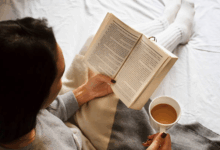
How to Fall Back in Love with Reading
Direct Answer
To fall back in love with reading, reduce digital distractions, choose books you genuinely want to read, and start with short sessions that fit your real schedule. Give yourself permission to abandon a book, switch between print, e-books, and audio, or reread a favorite. Enjoyment returns when reading stops feeling like another obligation.

Returning to Books Without Proving Anything
A reading life does not need a yearly quota. The easiest way to fall back in love with reading is to begin with a story that feels inviting and enough time to enjoy a few pages.
Why Reading Can Feel Harder When You Are Always Online
Messages, open tabs, and short videos train attention to switch rapidly. A book asks the reader to remain with one story while details unfold at a slower pace.
A 2025 meta-analysis in Frontiers in Psychology linked attentional distractions in digital reading environments with lower comprehension. That does not mean attention is permanently lost. It means the reading environment matters.
If notifications keep pulling you away from a book, setting your phone aside for a little while may help you give the story more of your attention. Read the research on digital reading distractions.
Five Ways to Fall Back in Love with Reading
- Abandon the wrong book: A title that does not fit your interests or current mood can be set aside without guilt.
- Fit reading into the day: Keep a book visible and begin with five to fifteen minutes instead of waiting for an empty evening.
- Choose a comfortable place: Good light, a supportive chair, and fewer distractions matter more than a picture-perfect reading nook.
- Try different formats: Print, e-readers, and audiobooks can all support a satisfying reading life.
- Follow genuine curiosity: Choose mystery, fantasy, memoir, romance, short stories, or a familiar favorite because it interests you now.
Reduce Attention Switching Before the First Page
Research on digital reading suggests that interruptions can weaken comprehension. Silence notifications, close competing screens, and let the mind settle before expecting sustained attention.
Choose the Format That Removes the Most Friction
Print, e-books, and audiobooks each solve different problems. The useful format is the one that makes the next reading session easier to begin and enjoyable enough to repeat.
Make the Habit Easier to Return To
The best routine works with the schedule you already have. A few pages with morning coffee, ten minutes before social media, or an audiobook during a walk can all help you fall back in love with reading.
Keep the book where you will see it, remove one source of friction, and stop before the session becomes exhausting. Consistency grows more easily from a pleasant experience than from pressure.
Frequently Asked Questions
How can I read when I keep getting distracted?
Start with ten minutes, silence the phone, and choose a book that immediately interests you. Gently return to the page when attention wanders.
Is it okay to stop a book halfway through?
Yes. Setting aside an unenjoyable book can make room for one that helps you fall back in love with reading.
Do audiobooks count as reading?
Yes. Audiobooks deliver the story through listening and can make books accessible during commutes, walks, or chores.
Are physical books better than e-books for concentration?
Neither format is universally better. A physical book removes device notifications, while a dedicated e-reader can be convenient and less distracting than a phone.
How many minutes should I read each day?
There is no universal target. Five to fifteen minutes is enough to rebuild the habit, and longer sessions can grow naturally.
Bottom Line
You do not need a larger bookshelf or a dramatic challenge to fall back in love with reading. Start with an interesting story, protect a small pocket of attention, and let reading become pleasurable again.
Worth Exploring
- What 4 Books Teach Us About Soft Ambition
Discover books that explore a gentler approach to ambition, work, and personal growth. - Related reading: purposeful picks for overcoming a reading slump and hidden-gem books worth discovering.